


-

Add: HeBei ShengShi HongBang Cellulose Technology CO.,LTD.
-

Email
13180486930@163.com -

CONTACT US
+86 13180486930
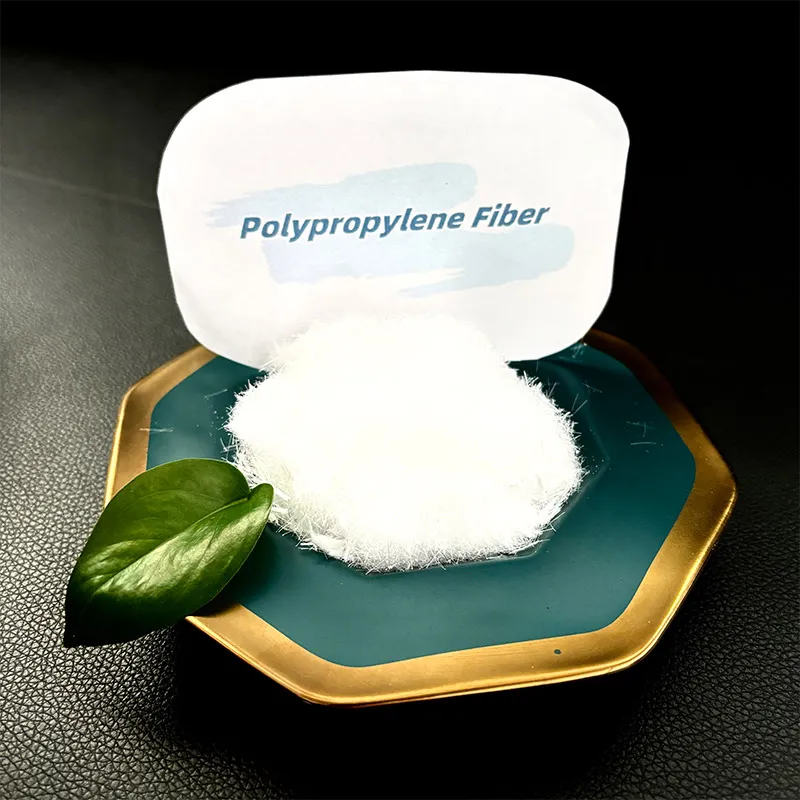





Polyolefin fibers, especially polypropylene fiber , have become increasingly popular in various industries due to their impressive qualities and versatile applications. From textiles to automotive and industrial applications, polypropylene fiber suppliers are capitalizing on the demand for this durable, cost-effective material. But what exactly is polypropylene fiber ? And how does it compare to other fibers in terms of price and quality? In this guide, we’ll take a closer look at polyolefin fiber , particularly polypropylene fiber , and explore its uses, benefits, and pricing, along with insights into where you can find the best polypropylene fiber suppliers . What Is Polypropylene Fiber? Polypropylene fiber, a type of polyolefin fiber , is one of the most widely used synthetic fibers due to its high strength, resistance to moisture, and chemical stability. It is made from the polymerization of propylene monomer and has a low density, making it lightweight and cost-efficient. Polypropylene fiber is often used in textiles, ropes, mats, geotextiles, and nonwoven fabrics. What sets polypropylene fiber apart from other synthetic fibers like polyester or nylon is its excellent resistance to acids, bases, and other chemicals. It also has a relatively low melting point, making it suitable for applications that require heat resistance. Additionally, it is highly resistant to staining and odor, making it a popular choice for use in the medical and hygiene industries. The low moisture absorption makes it an ideal material for manufacturing items exposed to high humidity or outdoor environments. The versatility of polypropylene fiber has allowed it to expand into various industries beyond textiles. It’s commonly found in the automotive sector, where it is used in carpeting, upholstery, and car seat covers. The fiber is also used in packaging materials and food containers due to its excellent chemical resistance and non-toxicity. The Benefits of Polypropylene Fiber The increasing demand for polypropylene fiber across different sectors can be attributed to its numerous benefits. It is lightweight, durable, and relatively inexpensive compared to many other materials. Additionally, polypropylene fiber is highly resistant to wear and tear, making it perfect for items that need to withstand high levels of friction. One of the most significant advantages of polypropylene fiber is its ability to resist moisture absorption. Unlike natural fibers like cotton, which can retain water and lead to mildew or rot, polypropylene fiber remains unaffected by water. This makes it an ideal choice for outdoor and marine applications, including ropes, nets, and outdoor furniture coverings. The material is also resistant to most chemicals, including acids, bases, and solvents. This makes polypropylene fiber an excellent choice for industrial applications where exposure to harsh chemicals is common. For instance, it is widely used in making protective clothing for workers in chemical plants and factories. Moreover, polypropylene fiber is not only durable and resistant to chemicals, but it is also cost-effective. Compared to other fibers, such as nylon or polyester, polypropylene fiber price is relatively low, which makes it an attractive option for manufacturers and consumers alike. This affordability, combined with its robust qualities, has contributed to the rise in its use in industries ranging from healthcare to automotive. Polypropylene Fiber Suppliers and Where to Find the Best Deals As the demand for polypropylene fiber continues to rise, finding reliable polypropylene fiber suppliers becomes crucial for businesses looking to source quality materials at competitive prices. There are several suppliers globally that offer polypropylene fiber for various applications, but it’s essential to choose one that offers a balance of quality and price. When searching for polypropylene fiber suppliers , it’s important to consider factors such as the supplier’s reputation, their range of available products, and their ability to deliver on time. Many suppliers offer polypropylene fibers in different grades, depending on the intended use, so it's essential to select a supplier that provides fibers suitable for your specific needs. Online platforms are an excellent place to start when searching for polypropylene fiber suppliers . Websites like Alibaba, Global Sources, and Made-in-China list various manufacturers and suppliers of polypropylene fiber from around the world. Many of these suppliers provide a range of pricing options, depending on the volume of your order, making it easy to find deals that fit your budget. Furthermore, attending trade shows and industry expos is a great way to connect with potential suppliers and learn about the latest advancements in polypropylene fiber technology. These events often showcase new products and provide opportunities to meet suppliers face-to-face, which can lead to more reliable business relationships. Factors That Affect Polypropylene Fiber Price Understanding the factors that influence polypropylene fiber price is essential when sourcing the material for your business. While polypropylene fiber is generally considered an affordable option, prices can fluctuate depending on various factors, such as raw material costs, production processes, and demand. The price of polypropylene fiber is closely tied to the cost of propylene, the primary raw material used in its production. Changes in the price of crude oil or other feedstocks can impact the cost of propylene and, consequently, the price of polypropylene fiber . Additionally, the production method and technology used by a manufacturer can affect the price. Suppliers using more advanced production processes may offer higher-quality fibers but at a premium cost. Bulk orders can also play a significant role in the overall price of polypropylene fiber . When ordering large quantities, buyers may receive significant discounts, reducing the overall cost per unit. Therefore, for businesses looking to source polypropylene fiber in large quantities, negotiating a bulk order deal with suppliers can be an effective way to lower costs. Another factor influencing polypropylene fiber price is geographical location. Prices can vary depending on the supplier’s region, as transportation and logistics costs can add to the overall cost of goods. Suppliers in regions with more affordable shipping options may offer more competitive pricing, especially for international buyers. Common Applications of Polypropylene Fiber Polypropylene fiber is incredibly versatile and can be used in a wide range of applications across various industries. Its durability, low cost, and resistance to water and chemicals make it an ideal choice for manufacturing productsThe broad range of applications demonstrates why polypropylene fiber continues to be in high demand. Its ability to meet the needs of industries ranging from healthcare to automotive makes it a go-to material for many manufacturers. polypropylene fiber FAQs What is polypropylene fiber? Polypropylene fiber is a synthetic fiber made from the polymerization of propylene monomer. It is lightweight, durable, and resistant to moisture and chemicals. It is widely used in textiles, industrial products, and medical applications due to its affordability and superior qualities. What are the benefits of using polypropylene fiber? Some of the benefits of polypropylene fiber include its resistance to moisture and chemicals, lightweight nature, high durability, and relatively low cost. It’s widely used in textiles, automotive interiors, and medical products due to these advantages. How can I find reliable polypropylene fiber suppliers? To find reliable polypropylene fiber suppliers , it is recommended to search online platforms such as Alibaba or Made-in-China. Attending industry trade shows is another great way to connect with suppliers. Ensure the supplier has a reputation for quality and timely delivery. What factors affect the price of polypropylene fiber? The price of polypropylene fiber is influenced by the cost of raw materials (like propylene), production processes, order volume, and geographical location. Bulk orders and efficient logistics can help lower the overall price. What are some common uses of polypropylene fiber? Polypropylene fiber is commonly used in textiles (like carpets and upholstery), automotive products (such as car seat covers), medical products (like surgical gowns), and outdoor items (such as ropes and mats). Its versatility makes it a popular choice across many industries.
- 40000tons

Production
- 20+years

Experience
- 5000+㎡

Acreage

-
Hydroxypropyl Methylcellulose (HPMC) has become an indispensable component in various industries due to its unique properties and versatility. The specific variant, HPMC K15, has carved out a niche in applications that require high-performance cellulosic polymers. This article delves into the sophistication and practical applications of HPMC K15, offering firsthand experience from professionals, expert insights, and authoritative perspectives to enhance trust and understanding of this remarkable polymer. HPMC K15 is renowned for its ability to act as a thickener, binder, film former, and stabilizer. This versatility is showcased in industries such as pharmaceuticals, construction, and food processing. With over two decades in the materials science industry, I have observed the significant transformations that HPMC K15 has brought to product formulations. My experience confirms that its integration into products enhances their performance, particularly in challenging environments. One of the defining attributes of HPMC K15 is its remarkable solubility and stability across a range of temperatures. It retains its properties irrespective of environmental conditions, making it a reliable choice for manufacturers. In the construction industry, HPMC K15 is used extensively as a key ingredient in dry mix mortars, tile adhesives, and plaster. Its role is crucial; it imparts workability to the mix, optimizing the application process and improving overall productivity. The adhesion strength provided by HPMC K15 ensures that tiles and plasters remain intact over time, enduring diverse climate conditions. In pharmaceuticals , HPMC K15 is pivotal in drug formulation, particularly in controlled-release medication. It acts as a hydrophilic matrix, regulating the release of active ingredients and ensuring patient safety and efficacy of the drug. My collaboration with pharmaceutical firms has underscored the reliability of HPMC K15 in maintaining drug stability and consistency, critical factors that are instrumental in achieving regulatory approval. From an authoritative perspective, studies consistently highlight the non-toxic and biocompatible nature of HPMC K15, backed by rigorous testing and peer-reviewed research. These characteristics not only ensure compliance with health and safety standards but also provide a sustainable option for industries aiming to reduce their ecological footprint. Furthermore, being derived from natural cellulose enhances its appeal in a market increasingly leaning towards eco-friendly solutions. hpmc k15 Experts in the field of material science laud HPMC K15 for its unparalleled balance of cost-effectiveness and performance capabilities. Its ability to modify viscosity without altering other vital characteristics of the end product is a significant advantage. This allows manufacturers to tailor their products according to specific needs, further pushing the envelope of innovation and quality. Additionally, its application in the food industry as a thickening and emulsifying agent ensures that consumer expectations for texture and consistency are met, offering a competitive edge to food producers aiming to deliver superior quality goods. Trust in HPMC K15's performance is reinforced through continuous research and development, spearheaded by leading material scientists and technologists. Collaborations between academic institutions and industry leaders have resulted in constant enhancements, ensuring that HPMC K15 meets the ever-evolving requirements of diverse applications. In summation, Hydroxypropyl Methylcellulose K15 is more than just a polymer; it is a cornerstone of innovation and efficiency across various sectors. Its proven track record in enhancing product quality and its sustainable nature make it an invaluable asset. As industries continue to evolve and adapt, HPMC K15 stands out as a reliable ally, ensuring that products not only meet standards of excellence but also contribute to a more sustainable future.
-
In the competitive realm of building materials and construction, the name HPMC easily resonates with industry insiders. HPMC, or Hydroxypropyl Methylcellulose, has a significant role, not just in construction, but also in other applications like pharmaceuticals and food products. However, the focus here is specifically on the construction product line and its branding identity, represented by the HPMC logo. The HPMC logo symbolizes innovation, quality, and reliability—a trifecta that every construction professional seeks. Through its unique visual identity, the HPMC logo encapsulates the essence of the brand, which is committed to enhancing the quality and longevity of construction projects globally. This symbolic representation differentiates it from competitors, offering a mark of excellence. Experience with HPMC products starts right from the visual interaction with its logo, often the first point of contact for potential customers or business partners. This logo becomes a beacon of trust . When adorned on packaging, brochures, or digital platforms, it assures clients of the consistent quality embedded in HPMC’s comprehensive portfolio of cellulose ethers, used extensively in cement, gypsum, and ceramics. For experts in the construction industry, the HPMC logo is a signifier of unparalleled expertise. Hydroxypropyl Methylcellulose has unique qualities such as water retention, thickening, and binding abilities, which are crucial in sustainable construction practices. The experts developing HPMC have engineered its products to perform efficiently under diverse environmental conditions, ensuring the stability and durability of constructions. Authoritatively, HPMC stands head and shoulders above others in the realm of cellulose ethers. Its logo is a testament to years of research and development. The technological advancements encapsulated by HPMC have been recognized by industry leaders, accrediting it as a go-to material for high-performance construction solutions. Its use in high-rise buildings, bridges, and other complex infrastructures underscores its authority in the field. The trustworthiness of the HPMC brand can be attributed in part to the consistent representation and quality assurance denoted by its logo. In an industry where safety and reliability are paramount, the HPMC logo comes to signify peace of mind. Construction professionals rely on this assurance, knowing that adherence to strict quality control protocols backs every product marked with the HPMC insignia. hpmc logo HPMC's products are not just made; they are crafted, with each batch being a testament to the company’s commitment to excellence. The meticulously designed logo is an assurance that whether you're working on small-scale renovations or large-scale infrastructural endeavors, the materials you use will perform to the highest standards. Additionally, the HPMC logo also plays a role in sustainable construction solutions. With increasing demand for environmentally responsible building practices, products bearing the HPMC logo are often formulated to reduce environmental impact. This contributes significantly to LEED certifications and other green building standards, enhancing the credibility of projects and ensuring compliance with global sustainability goals. In essence, the HPMC logo does far more than signify a product line—it tells a story of dedication to performance, innovation, and integrity. It is an emblem that carries forward the core values and unparalleled standards of HPMC, offering an edge in the competitive market landscape. The brand's commitment to research and development further underpins its potential to lead in innovative solutions, continually setting standards for quality in the construction industry. The symbiotic relationship between the HPMC logo and its promise of quality underscores a value proposition that competitors aspire to—and customers trust unwaveringly. Builders, architects, and contractors around the globe look to this symbol with confidence, knowing that the materials they choose will deliver exceptional performance, project after project. Overall, the HPMC logo not only reflects the company's expansive expertise and authoritative standing in the industry but also reinforces its commitment to reliability and trustworthiness. It represents a blend of technological innovation and proven performance, making it a vital asset to construction professionals worldwide.
advantages
-

200000 Viscosities
Excellent product
We can produce pure products up to 200,000 viscosities
-

40000 tons
High yield
We don’t stop production all year round, and the annual output can reach 40,000 tons
-

24 hours
Quality service
We provide 24-hours online reception service, welcome to consult at any time
———— Inquiry Form
Schedule A services

-
 electrostatic_non_woven_polypropylene_fiber
Oct . 25, 2025
The digital marketplace thrives on innovation, technological advancement, and the ability to solve r -
 pp_fibre
Oct . 25, 2025
The construction industry is undergoing a revolution with innovative materials that enhance efficien -
 hydroxypropyl_methylcellulose_for_skin
Oct . 25, 2025
Unlocking the Benefits of Purchasing HPMC A Comprehensive Guide Hydroxypropyl Methylcellulose (HPMC)


